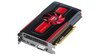
Seite 6: AMD Radeon HD 7850 - AMDs »günstige« Mittelklasse für 250 Euro

GameStar Plus Logo

Artikel auf einer Seite lesen

50% Rabatt auf euer erstes Jahr GameStar Plus

Jetzt nur für kurze Zeit: die ersten sechs Monate im Jahresabo mit dem Code »NEU50« sparen. Deine Vorteile:

Zugriff auf alle Artikel, Videos & Podcasts von GameStar
Exklusive Tests, Guides und Reportagen
Von Experten, die wissen, was gespielt wird
Keine Banner und viel weniger Werbespots
Jederzeit online kündbar

Du hast bereits GameStar Plus? Hier einloggen.

Lautstärke und Stromverbrauch

Die Radeon HD 7850 benötigt nur einen sechspoligen Stromstecker, das spricht für die geringe Stromaufnahme. Die Radeon HD 7850 benötigt nur einen sechspoligen Stromstecker, das spricht für die geringe Stromaufnahme.

Die 28-nm-Fertigung der Radeon HD 7850 macht sich wie bei den anderen Karten der HD-7000-Serie vor allem beim vergleichsweise niedrigen Stromverbrauch bemerkbar. Mit 231 Watt unter Last benötigte unser Testsystem mit der HD 7850 erstaunlich wenig Energie, Radeon HD 6790 (239 Watt) und Geforce GTX 460 (245 Watt) sind zwar ähnlich sparsam, leisten aber auch nur wenig mehr als die Hälfte der neuen Radeon. AMD spricht von einem typischen Stromverbrauch von 130 Watt unter Last, dementsprechend besitzt die Radeon HD 7850 auch nur einen sechspoligen Stromanschluss. Unter Windows reduziert die Karte ihren Energiehunger dann nochmals drastisch, unser Testsystem benötigte im Leerlauf weniger als 100 Watt.

Schlechte Nachrichten gibt es nur bei der Kühlung der Radeon HD 7850. Im Test nervte die Karte durch ein ständiges Jaulen mit einer Lautstärke von 3,2 Sone, nur unter Windows blieb sie mit 0,8 Sone sehr zurückhaltend. Daher empfehlen wir allen potenziellen Käufern, einen Bogen um Karten mit AMDs Referenzdesign zu machen und auf angepasste Modelle mit eigenem Lüfter zu warten. In der jüngeren Vergangenheit zeigen Hersteller wie Sapphire oder Powercolor, dass sie selbst deutlich schnellere Modelle wie die Sapphire Radeon HD 7950 OCoder die Powercolor HD 7950 PCS+nahezu lautlos kühlen können. Da die Karte in unserem Test noch nicht einmal 70°C erreichte, steckt noch einiges an Übertaktungspotential in ihr.

Lautstärke
in Sone

  • Volllast
  • Leerlauf
Geforce GTX 460 1.024 MByte
1,3
0,9
Radeon HD 7770 1.024 MByte
1,5
0,6
Geforce GTX 560 Ti 1.024 MByte
1,6
1,3
Geforce GTX 550 Ti 1.024 MByte
1,9
0,5
Radeon HD 5770 1.024 MByte
2,0
1,0
Radeon HD 5850 1.024 MByte
2,3
1,0
Radeon HD 5870 1.024 MByte
2,4
1,0
Geforce GTX 560 1.024 MByte
2,5
0,9
Geforce GTX 570 1.280 MByte
2,7
1,0
2,7
1,0
Radeon HD 6870 1.024 MByte
2,7
1,0
Radeon HD 6850 1.024 MByte
2,7
1,0
Radeon HD 6950 2.048 MByte
2,8
1,2
Radeon HD 6950 1.024 MByte
2,8
1,2
Radeon HD 7850 2.048 MByte
3,2
0,8
Radeon HD 6790 1.024 MByte
3,3
1,0
Radeon HD 7870 2.048 MByte
3,4
0,7
Geforce GTX 580 1.536 MByte
3,6
1,6
Radeon HD 7950 3.072 MByte
3,7
1,0
Geforce GTX 470 1.280 MByte
3,8
1,6
Radeon HD 6970 2.048 MByte
3,9
1,4
Geforce GTX 590 2x 1.536 MByte
4,5
3,2
Radeon HD 7750 1.024 MByte
4,6
1,8
Radeon HD 7970 3.072 MByte
5,0
0,6
Radeon HD 6990 2x 2.048 MByte
6,4
2,2
  • 0,0
  • 1,4
  • 2,8
  • 4,2
  • 5,6
  • 7,0

Stromverbrauch
komplettes Testsystem

  • Volllast
  • Leerlauf
Radeon HD 7750 1.024 MByte
174
89
Radeon HD 7770 1.024 MByte
193
91
Radeon HD 5770 1.024 MByte
206
108
Radeon HD 7850 2.048 MByte
231
96
Radeon HD 6790 1.024 MByte
239
110
Radeon HD 6850 1.024 MByte
240
124
Geforce GTX 460 1.024 MByte
245
112
Radeon HD 5850 1.024 MByte
248
115
Radeon HD 7870 2.048 MByte
257
96
Radeon HD 6870 1.024 MByte
260
115
Radeon HD 5870 1.024 MByte
261
116
Geforce GTX 550 Ti 1.024 MByte
269
111
Geforce GTX 560 1.024 MByte
272
112
Radeon HD 7950 3.072 MByte
277
96
Radeon HD 6950 1.024 MByte
277
117
Geforce GTX 560 Ti 1.024 MByte
279
115
Radeon HD 6950 2.048 MByte
281
119
Geforce GTX 470 1.280 MByte
308
115
319
123
Radeon HD 6970 2.048 MByte
327
127
Geforce GTX 570 1.280 MByte
328
130
Radeon HD 7970 3.072 MByte
370
106
Geforce GTX 580 1.536 MByte
378
133
Radeon HD 6990 2x 2.048 MByte
454
135
Geforce GTX 590 2x 1.536 MByte
484
151
  • 0
  • 98
  • 196
  • 294
  • 392
  • 490

Temperatur

  • Volllast
  • Leerlauf
Radeon HD 7870 2.048 MByte
68
34
Radeon HD 7850 2.048 MByte
68
34
Geforce GTX 560 Ti 1.024 MByte
71
30
Radeon HD 7770 1.024 MByte
71
35
Radeon HD 6790 1.024 MByte
71
40
Radeon HD 5850 1.024 MByte
73
43
Geforce GTX 560 1.024 MByte
74
31
76
32
Radeon HD 6870 1.024 MByte
76
35
Radeon HD 5870 1.024 MByte
76
46
Radeon HD 7950 3.072 MByte
78
45
Radeon HD 6950 1.024 MByte
78
46
Geforce GTX 550 Ti 1.024 MByte
79
33
Radeon HD 5770 1.024 MByte
79
48
Radeon HD 7970 3.072 MByte
80
49
Radeon HD 6850 1.024 MByte
82
53
Geforce GTX 460 1.024 MByte
83
46
Geforce GTX 580 1.536 MByte
84
39
Radeon HD 7750 1.024 MByte
84
36
Geforce GTX 570 1.280 MByte
85
44
Geforce GTX 470 1.280 MByte
85
62
Radeon HD 6990 2x 2.048 MByte
85
52
Radeon HD 6950 2.048 MByte
86
44
Geforce GTX 590 2x 1.536 MByte
87
43
Radeon HD 6970 2.048 MByte
90
38
  • 0
  • 18
  • 36
  • 54
  • 72
  • 90

6 von 8

nächste Seite


zu den Kommentaren (46)

Kommentare(44)
Kommentar-Regeln von GameStar
Bitte lies unsere Kommentar-Regeln, bevor Du einen Kommentar verfasst.

Nur angemeldete Benutzer können kommentieren und bewerten.