Seite 7: AMD Radeon HD 7990 - Doppelte Grafikkarte zum doppelten Preis

GameStar Plus Logo

Artikel auf einer Seite lesen

GameStar Plus ist das Online-Abo für Gamer, denen gute Spiele wichtig sind. Schon ab 5,99€ im Monat. Deine Vorteile:

Zugriff auf alle Artikel, Videos & Podcasts von GameStar
Exklusive Tests, Guides und Reportagen
Jede Woche ein exklusiver Podcast
Jede Woche zwei exklusive Newsletter aus der Redaktion
Von Experten, die wissen, was gespielt wird
Keine Banner und viel weniger Werbespots
Jederzeit online kündbar

Du hast bereits GameStar Plus? Hier einloggen.

Lautstärke und Stromverbrauch
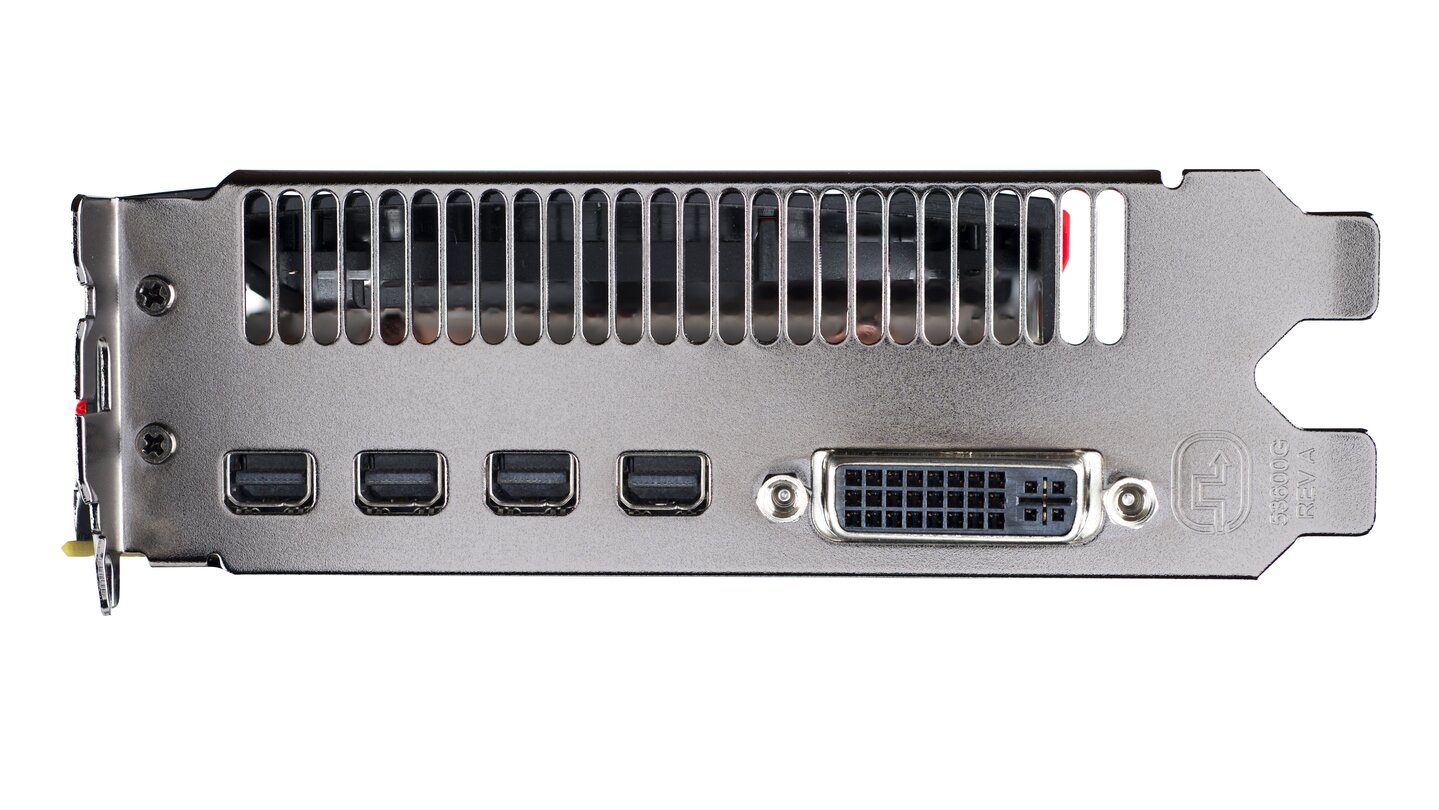
Oberhalb der Anschlüsse bietet die AMD Radeon HD 7990 viel Platz für die Ventilation. Oberhalb der Anschlüsse bietet die AMD Radeon HD 7990 viel Platz für die Ventilation.

Um die AMD Radeon HD 7990 zuverlässig und leise zu kühlen, verbaut AMD gleich drei Axial-Lüfter. In Verbindung mit einem großen Kühlkörper der fast die gesamte Platine bedeckt, soll so die Abwärme der beiden Tahiti-GPUs gebändigt werden. Im Test gelingt AMD dies auch sehr gut, die Wärme unter Last steigt auf gerade einmal 72 Grad. Der Temperaturunterschied zwischen den beiden GPUs beträgt dabei etwa drei Grad. Im Vergleich zur Geforce GTX 690 bleiben die Grafikchips damit gut 10°C kühler. Laut AMDs Produkt-Präsentation liegt der Lärmpegel der HD 7990 bei Last unter 40 Dezibel, was einer leisen Bibliothek entspräche. Wie der Hersteller auf diesen Wert kommt ist uns jedoch schleierhaft. In anspruchsvollen Spielen wie Metro 2033 drehen die Lüfter deutlich hörbar auf und gelegentlich kommt es zu nervigem, hochfrequenten Spulenfiepen. Die 5,3 Sone sind für eine derart leistungsfähige Grafikkarte kein überraschender Wert und wir hören die Karte auch aus einem geschlossenen Gehäuse deutlich heraus. Allerdings gelingt es AMD mit Hilfe des Lüfter-Designs das Geräusch so zu steuern, dass es nicht übermäßig stört. Wo andere Kühllösungen penetrant Surren, rauscht die AMD Radeon HD 7990 wesentlich unaufdringlicher. Im normalen Windows-Betrieb säuselt die Karte mit 0,4 Sone praktisch lautlos vor sich hin.

Um die HD 7990 mit Strom zu versorgen sind genau wie bei der Nvidia Geforce GTX 690 zwei 8-Pol-Stecker notwendig. Damit benötigt das offizielle AMD-Flaggschiff einen Anschluss weniger als die bisherigen Dual-GPU-Lösungen von Powercolor und Asus. Dennoch fällt der Stromverbrauch der AMD Radeon HD 7990 mit 117 Watt im Idle und 525 Watt unter Last alles andere als gering aus - eine GTX 690 bleibt unter Last weitaus genügsamer (423 Watt). Sofern Sie mit dem Gedanken spielen sich eine Grafikkarte dieser Liga zuzulegen, sollte daher auch ein leistungsstarkes Netzteil im Rechner stecken.

Lautstärke
in Sone

  • Volllast
  • Leerlauf
Geforce GTX 650 1.024 MByte
0,6
0,6
Geforce GTX 650 Ti 1.024 MByte
0,7
0,6
Geforce GTX 460 1.024 MByte
1,3
0,9
Radeon HD 7770 1.024 MByte
1,5
0,6
Geforce GTX 660 2.048 MByte
1,6
0,4
Geforce GTX 560 Ti 1.024 MByte
1,6
1,3
Geforce GTX 660 Ti 2.048 MByte
1,8
0,5
1,9
0,7
Geforce GTX 550 Ti 1.024 MByte
1,9
0,5
Radeon HD 5770 1.024 MByte
2,0
1,0
Radeon HD 5850 1.024 MByte
2,3
1,0
Radeon HD 5870 1.024 MByte
2,4
1,0
Geforce GTX Titan 6.144 MByte
2,5
0,3
Geforce GTX 560 1.024 MByte
2,5
0,9
Geforce GTX 570 1.280 MByte
2,7
1,0
Radeon HD 6870 1.024 MByte
2,7
1,0
Radeon HD 6850 1.024 MByte
2,7
1,0
Radeon HD 6950 2.048 MByte
2,8
1,2
Radeon HD 7850 2.048 MByte
3,2
0,8
Radeon HD 6790 1.024 MByte
3,3
1,0
Geforce GTX 670 2.048 MByte
3,4
1,0
Radeon HD 7870 2.048 MByte
3,4
0,7
Geforce GTX 680 2.048 MByte
3,6
0,6
Geforce GTX 580 1.536 MByte
3,6
1,6
Geforce GTX 480 1.536 MByte
3,6
1,6
Radeon HD 7950 3.072 MByte
3,7
1,0
Geforce GTX 470 1.280 MByte
3,8
1,6
Geforce GTX 690 2x 2.048 MByte
3,9
0,7
Radeon HD 6970 2.048 MByte
3,9
1,4
Radeon HD 7750 1.024 MByte
4,6
1,8
Radeon HD 7970 3.072 MByte
5,0
0,6
AMD Radeon HD 7990 2x3.072 MByte
5,3
0,5
6,6
0,5
  • 0,0
  • 1,4
  • 2,8
  • 4,2
  • 5,6
  • 7,0

Stromverbrauch
komplettes Testsystem

  • Volllast
  • Leerlauf
Radeon HD 7750 1.024 MByte
174
89
Radeon HD 7770 1.024 MByte
193
91
Geforce GTX 650 1.024 MByte
196
92
Radeon HD 5770 1.024 MByte
206
108
Geforce GTX 650 Ti 1.024 MByte
210
95
Radeon HD 7850 2.048 MByte
231
96
Radeon HD 6790 1.024 MByte
239
110
240
95
Radeon HD 6850 1.024 MByte
240
124
Geforce GTX 460 1.024 MByte
245
112
Radeon HD 5850 1.024 MByte
248
115
Geforce GTX 660 2.048 MByte
251
94
Radeon HD 7870 2.048 MByte
257
96
Radeon HD 6870 1.024 MByte
260
115
Radeon HD 5870 1.024 MByte
261
116
Geforce GTX 550 Ti 1.024 MByte
269
111
Radeon HD 7950 3.072 MByte
270
96
Geforce GTX 560 1.024 MByte
272
112
Geforce GTX 560 Ti 1.024 MByte
279
115
Radeon HD 6950 2.048 MByte
281
119
Geforce GTX 660 Ti 2.048 MByte
284
92
Geforce GTX 670 2.048 MByte
300
94
Geforce GTX 470 1.280 MByte
308
115
Geforce GTX 680 2.048 MByte
325
97
Radeon HD 6970 2.048 MByte
327
127
Geforce GTX 570 1.280 MByte
328
130
Radeon HD 7970 3.072 MByte
355
97
374
97
Geforce GTX 580 1.536 MByte
378
133
Geforce GTX Titan 6.144 MByte
385
98
Geforce GTX 480 1.536 MByte
399
141
Geforce GTX 690 2x 2.048 MByte
423
112
AMD Radeon HD 7990 2x3.072 MByte
525
117
  • 0
  • 106
  • 212
  • 318
  • 424
  • 530

Temperatur
gemessen mit Afterburner

  • Volllast
  • Leerlauf
Geforce GTX 650 Ti 1.024 MByte
61
30
Geforce GTX 650 1.024 MByte
62
29
Geforce GTX 660 2.048 MByte
65
29
Radeon HD 7870 2.048 MByte
68
34
Radeon HD 7850 2.048 MByte
68
34
Geforce GTX 560 Ti 1.024 MByte
71
30
Radeon HD 7770 1.024 MByte
71
35
Radeon HD 6790 1.024 MByte
71
40
Geforce GTX 660 Ti 2.048 MByte
72
34
72
32
AMD Radeon HD 7990 2x3.072 MByte
72
38
Radeon HD 5850 1.024 MByte
73
43
Geforce GTX 560 1.024 MByte
74
31
Radeon HD 6870 1.024 MByte
76
35
Radeon HD 5870 1.024 MByte
76
46
Radeon HD 7950 3.072 MByte
78
45
Geforce GTX 550 Ti 1.024 MByte
79
33
Radeon HD 5770 1.024 MByte
79
48
Geforce GTX Titan 6.144 MByte
80
34
Geforce GTX 680 2.048 MByte
80
37
Geforce GTX 670 2.048 MByte
80
37
Radeon HD 7970 3.072 MByte
80
49
Geforce GTX 690 2x 2.048 MByte
81
30
81
44
Radeon HD 6850 1.024 MByte
82
53
Geforce GTX 460 1.024 MByte
83
46
Geforce GTX 580 1.536 MByte
84
39
Radeon HD 7750 1.024 MByte
84
36
Geforce GTX 570 1.280 MByte
85
44
Geforce GTX 470 1.280 MByte
85
62
Radeon HD 6950 2.048 MByte
86
44
Radeon HD 6970 2.048 MByte
90
38
Geforce GTX 480 1.536 MByte
92
49
  • 0
  • 20
  • 40
  • 60
  • 80
  • 100

7 von 9

nächste Seite


zu den Kommentaren (40)

Kommentare(36)
Kommentar-Regeln von GameStar
Bitte lies unsere Kommentar-Regeln, bevor Du einen Kommentar verfasst.

Nur angemeldete Benutzer können kommentieren und bewerten.